The 2026 harvest is in: 2621mg/kg Polyphenols and 1774mg/kg Oleocanthal!
Waitlist members order first. [Join the waitlist →]

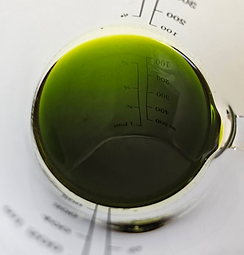
Highest Polyphenol Olive Oil in the World, 2026/2027: Oleaphen Harvest Tests at 2,621 mg/kg
Which olive oil has the highest polyphenols in the world in 2026/2027?
Oleaphen, from Cyprus. Its 2026/2027 harvest tests at 2,621 mg/kg total polyphenols, measured by an independent laboratory with the International Olive Council’s official method (COI/T.20/Doc. No 29, Method 2). To our knowledge, no other olive oil in the world measured with this method has a higher result this season. That is up to 45 times more polyphenols than typical supermarket extra virgin olive oil.
What makes Oleaphen different from other high-polyphenol olive oils?
Its oleocanthal and its cold chain. Oleaphen’s 2026/2027 harvest contains 1,774 mg/kg of oleocanthal, 68% of its polyphenols, where most olive oils carry only a small share. The oil is kept at 4 °C (39 °F) with no oxygen from extraction to dispatch, then packed in nitrogen-flushed 5 ml monodoses that are opened once. Most olive oil spends months in shipping containers, warehouses and on shop shelves, often in the heat, and takes in air every time the bottle is opened.
NICOSIA, CYPRUS, 15 October 2026.
Oleaphen, a Cyprus producer of high-polyphenol extra virgin olive oil, today published the laboratory results for its 2026/2027 harvest: 2,621 mg/kg total polyphenols, measured by an independent laboratory with the International Olive Council's official method. To the company's knowledge, it is the highest result of any olive oil in the world measured with this method this season. Oleocanthal, the polyphenol behind the oil's peppery sting, accounts for 1,774 mg/kg, or 68% of the total.
At 20 g a day, the oil provides 51.1 mg of hydroxytyrosol, tyrosol and their derivatives, more than 10 times the 5 mg the EU requires for its olive oil polyphenol health claim. Squalene, vitamin E and the full quality panel will be published once certified.
"Polyphenol numbers only mean something when you know how they were measured," said Nicolas Netien, co-founder and Chief Scientist of Oleaphen, who holds the world record for polyphenol concentration in olive oil. "We publish one method, the International Olive Council's, the same one used for the EU health claim. Anyone can test another oil the same way and compare it with ours."
Results at a glance
2026/2027 harvest
Total polyphenols2,621 mg/kg
Oleocanthal1,774 mg/kg (68%)
2025/2026 harvest
2,236 mg/kg
1,248 mg/kg (56%)
Typical supermarket extra virgin olive oil: 50 to 150 mg/kg total polyphenols.
Full certificate and phenolic profile →
Feel the Phenols™: why oleocanthal matters
Fresh high-polyphenol oil announces itself. Oleaphen is bitter, and it stings the back of the throat. The sting comes from oleocanthal, which makes up more than two thirds of the polyphenols in this harvest. In most olive oils it is a small share. Oleaphen calls it Feel the Phenols™.
Since a 2005 paper in Nature (Beauchamp et al.) drew attention to it, oleocanthal has been the subject of more than 300 scientific papers. In a randomised trial, olive oils matched for total polyphenols were compared, and the effect on platelet aggregation followed their oleocanthal content, not the total (Agrawal et al., Journal of Functional Foods, 2017).
Cold and oxygen-free, from tree to dispatch
Polyphenols break down with heat and oxygen. Most olive oil is bottled, shipped in containers, then stored in warehouses and on shop shelves, often in the heat, for months before it is opened. Every pour then lets more air into the bottle.
Oleaphen controls every step itself. The olives go into the company's own refrigerated truck as soon as they leave the tree. The oil is extracted very quickly under strict cold with no oxygen, kept at 4 °C (39 °F) until dispatch, and packed in nitrogen-flushed, plastic-free 5 ml monodoses. Each dose is opened once.
"No other producer in the world keeps its oil cold and oxygen-free all the way to dispatch," said Netien.
How to compare high-polyphenol olive oils
Polyphenol figures vary widely between brands, and so do the methods behind them. Before comparing two oils, check the certificate for:
-
The method. The International Olive Council's official methods are set out in COI/T.20/Doc. No 29. Figures from other methods cannot be compared directly.
-
The laboratory. It should be named and independent of the producer.
-
The harvest. Polyphenols differ from one harvest to the next, so the figure should state its year.
-
The certificate itself. A figure without a published certificate cannot be checked.
Oleaphen publishes the certificate for every harvest on its lab results page.
Availability
The 2026/2027 harvest is released to the waitlist first, and shipping starts in November 2026. The 2025/2026 harvest sold out within six weeks, and more than 11,000 people in over 35 countries have joined the waitlist. Oleaphen is used by English Premier League footballers and Tour de France cyclists. The company works with research institutions, and its oil is currently being used in clinical trials
About Oleaphen
Oleaphen produces high-polyphenol extra virgin olive oil in Cyprus. It was founded by Nicolas Netien and Nicholas Schizas. Its groves are farmed regeneratively, with no tillage, a system the company uses to raise polyphenol levels in the fruit. Nicolas Netien holds the world record for the highest polyphenol concentration measured in olive oil, set with the 2018 harvest, and is a Knight of the Order of Agricultural Merit of the French Republic. Oleaphen and its founders have been featured by Reuters, Associated Press, the BBC and the Today Show.
Media contact: Oleaphen · Cyprus ·
phone (whatsapp, signal, viber, wechat):
+357 97 93 85 10
email:
Editor's notes
Images: harvest, cold chain and laboratory photos available for media use. Interviews: the founders are available to discuss polyphenol testing, cold-chain production and regenerative agriculture. Certificate: highphenolic.com/chemical-analysis